Can We Trust AI for Simultaneous Interpretation?
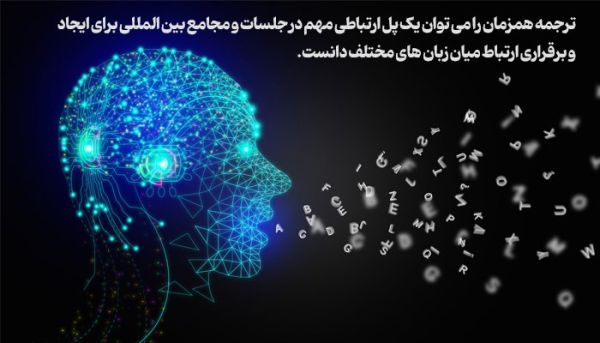
Have you ever attended an international conference or a major event? Have you noticed the quiet yet powerful voices interpreting the speaker’s words into another language in real time? That voice is the product of simultaneous interpretation — the art of converting speech from one language to another at the very moment it is spoken.
Simultaneous interpretation is one of the most critical professional branches of the translation industry, playing a pivotal role in enabling international communication. This mode allows interpreters to convey the speaker’s message into another language instantly, without requiring the audience to pause. Its importance in international conferences, diplomatic negotiations, business meetings, and live broadcasts is undeniable.
🔗 بیشتر بخوانید: طرح نوین دولت برای تحول در خدمات الکترونیک؛ حرکت به سوی دولت پلتفرمی
With technological advancement, artificial intelligence has become a widely used tool across many fields, including translation. AI software and algorithms have automated parts of the translation process and even offer simultaneous interpretation in some cases. But can we fully trust this technology for simultaneous interpretation?
What Is Simultaneous Interpretation and Why Does It Matter?
Simultaneous interpretation is the process by which an interpreter renders the speaker’s speech into the target language at the same time it is delivered. Due to its time sensitivity and demand for high accuracy, this mode requires specialized skills and deep command of both source and target languages. Unlike written translation or standard consecutive interpretation — where the translator has time to analyze the text — simultaneous interpreters must accurately convey the meaning of sentences in the very moment they are spoken.
🔗 بیشتر بخوانید: 3 فروشگاه آنلاین معتبر که حرفهایها از آنها دوربین ورزشی میخرند!_خبررسان
In practice, an interpreter performing this task must possess not only complete fluency in two languages but also exceptional listening skills, strong memory, and high cognitive stamina. They must simultaneously listen to the speaker, comprehend the meaning, and produce the target-language equivalent. This demands intense focus and the ability to manage multiple cognitive tasks at once.
But why is simultaneous interpretation so vital? Imagine attending an international conference where the speaker uses a language you do not understand. Without simultaneous interpretation, you would miss much of the critical content. It bridges effective communication between people of diverse languages and significantly supports knowledge exchange and information sharing.
🔗 بیشتر بخوانید: ضرورت ایجاد پایانه بینالمللی ارتباطات در مرز سومار برای اربعین
In such settings, even a minor error can lead to serious misunderstandings. Therefore, the quality of simultaneous interpretation can directly influence the outcomes of a meeting or event. It is applied across business, politics, culture, and science — playing a crucial role in international business negotiations, diplomatic talks, scientific conferences, and cultural events.
If you are looking for a professional and reputable translation agency for simultaneous interpretation, Tehran English Translation Agency could be a suitable choice. Leveraging experienced interpreters and advanced equipment, this agency delivers high-quality simultaneous interpretation services to its clients.
Various Approaches to Simultaneous Interpretation
Simultaneous interpretation serves as a vital communication bridge in international meetings and gatherings, facilitating connection across languages. Consequently, several methods are employed, summarized below:
1. Real-Time Simultaneous Interpretation:
In this method, the interpreter listens to the speaker and delivers the interpretation into the target language simultaneously. It demands extreme concentration, rapid reflexes, and profound linguistic knowledge. Simultaneous interpreters act like jugglers, placing words side by side like components of a structure in real time, bridging two languages.
2. Consecutive Interpretation (often grouped under simultaneous solutions):
Here, the interpreter renders the translation after the speaker finishes a segment. This allows more time for reflection and word selection, typically yielding higher accuracy than real-time simultaneous interpretation.
3. Relay Interpretation:
Multiple interpreters take turns handling the interpretation. Each translates a portion of the speech and hands off to the next. This approach is used for long, complex sessions.
4. Technology-Assisted Simultaneous Interpretation:
Advancing technology has introduced equipment to facilitate the process, including interpretation booths, headsets, and specialized software. These tools enable interpreters to work with better quality and greater comfort.
5. AI-Assisted Simultaneous Interpretation:
Recently, artificial intelligence has entered the simultaneous interpretation arena. Machine translation systems can automatically translate text from one language to another. However, machine translation has not yet matched the accuracy and naturalness of human interpretation and requires human supervision and editing.
AI in Translation: Revolution or Limitation?
The emergence of AI ranks among the greatest advancements of the 21st century. Leveraging advanced algorithms, it has unlocked capabilities once thought impossible. In translation, tools like Google Translate and DeepL exemplify AI applications that have significantly improved the translation process.
In recent years, extensive efforts have been made to apply AI to simultaneous interpretation. These tools can process and translate conversations in real time, and some even deliver spoken output. This technology appeals especially to casual users needing informal translation. But does this progress mean AI will completely replace human interpreters? Naturally, no. In most specialized translation and writing tasks — such as SOP or motivation letter writing — AI tools cannot deliver professional, error-free content. Below, we examine the challenges of using these tools in the translation world:
Challenges of AI in Simultaneous Interpretation
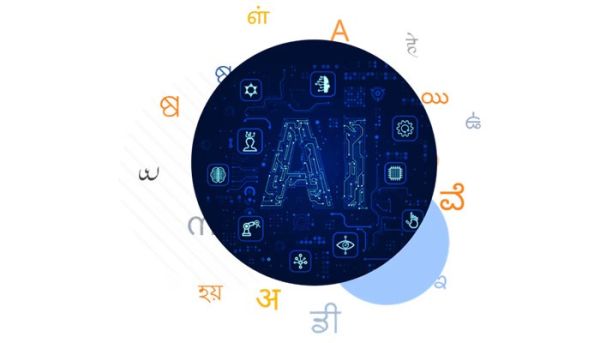
AI has made remarkable strides in recent years, and its capacity for translating texts grows daily. But can we fully rely on AI for simultaneous interpretation? The answer is more complex than it first appears.
One of the most significant challenges is grasping context and linguistic nuance. Every language possesses not only vocabulary but also unique grammatical and cultural structures. Accurately transferring these from one language to another demands deep understanding of both cultures. While AI can process massive data volumes, it still faces limitations in fully comprehending these subtleties and complex contexts.
Moreover, simultaneous interpretation is a dynamic, interactive process requiring split-second decisions and adaptation to conversational shifts. AI may lag or err under such conditions. Emotions and human sentiment also play a crucial role in communication — AI currently lacks the ability to fully perceive and convey these human elements. Consequently, AI-generated translations can feel dry and lifeless.
Given these challenges, engaging services from a fast translation agency in Tehran remains recommended for sensitive, specialized tasks such as high-stakes business meetings, international conferences, and legal proceedings. Professional interpreters with strong linguistic expertise can account for all these factors and deliver accurate, fluent, and natural interpretations.
Why Human Interpretation Still Leads
Despite AI’s visible progress in official translation, the gap in precision and nuance of human interpretation persists in many areas. Translation is not merely converting a phrase from one language to another; it is transferring concepts, culture, and embedded emotions. While AI handles words and phrases with high accuracy, it still has a long way to go in understanding complex concepts, idioms, specialized terminology, and subtle cultural differences. Human interpreters, with deep knowledge of languages, cultures, and specialized domains, produce fluent, accurate, and audience-appropriate translations that preserve not only the core meaning but also the literary and linguistic beauty of the text. Especially in specialized texts — legal, medical, and technical — where the smallest error can have irreparable consequences, trusting the expertise of human interpreters is essential.
Conclusion
Simultaneous interpretation is among the most complex and sensitive forms of translation, demanding precision, speed, and high expertise. Although AI has brought major changes to many fields, it cannot yet be considered a complete substitute for human interpreters. Simultaneous interpretation requires deep understanding of language and culture — a capability that remains uniquely human. In reality, human interpretation and AI complement each other. AI can serve as a powerful tool to accelerate the translation process and provide initial drafts, but final decision-making and quality assurance remain the responsibility of human interpreters.
